700 Tons of Asphalt Grindings for a Heavy-Duty Overflow Parking Area
Most overflow parking situations get a quick fix - dump some gravel, call it done, and hope for the best. The problem is that shortcuts like that lead to rutting, pooling water, and a surface that breaks down fast under heavy traffic. We wanted no part of that on this one.
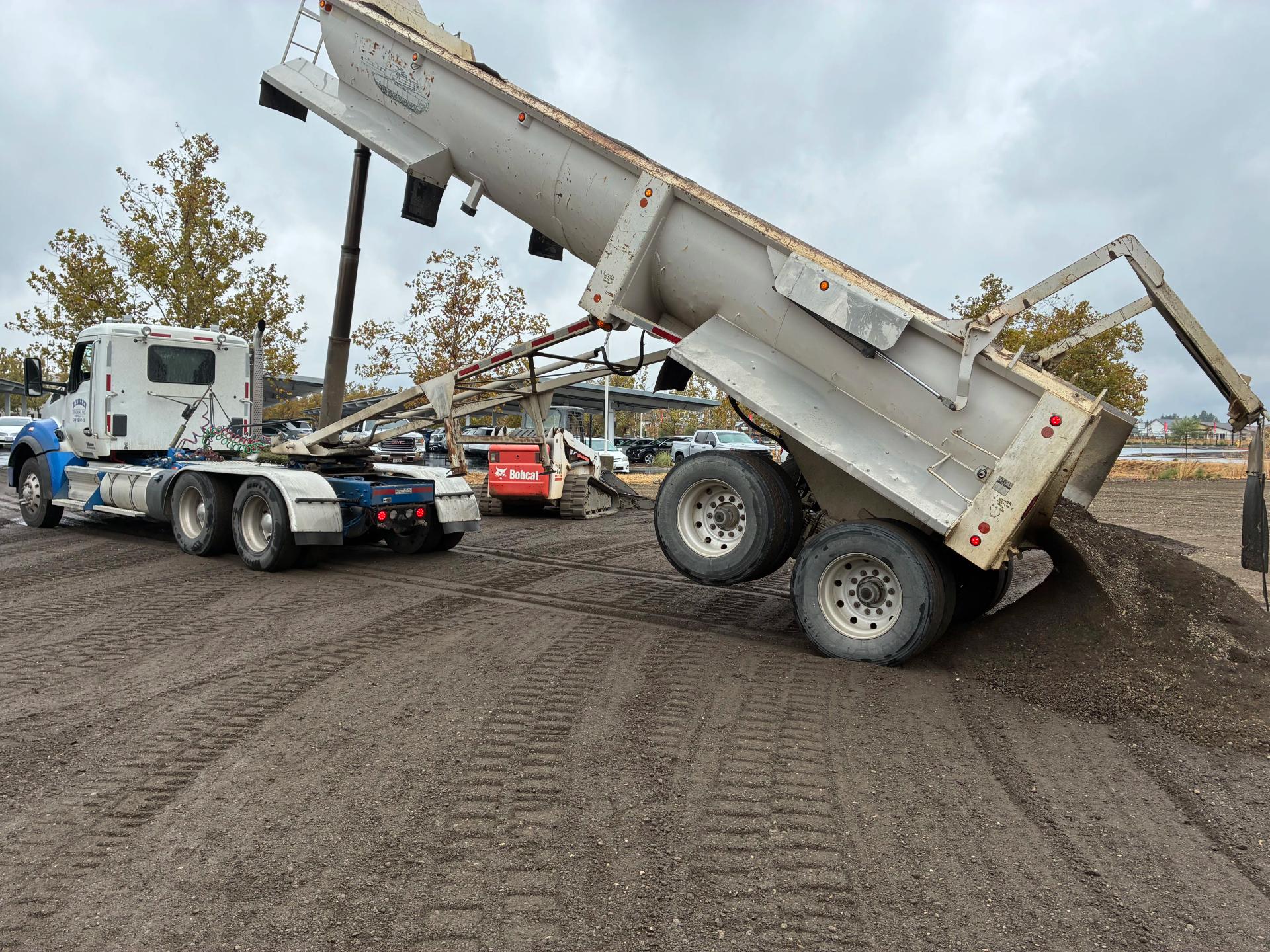
We're spreading 700 tons of premium asphalt grindings across this site to build out an overflow parking area that can actually handle real use. Asphalt grindings are a smart choice here - they compact tight, shed water well, and hold up under consistent vehicle load in a way that plain gravel simply can't match.
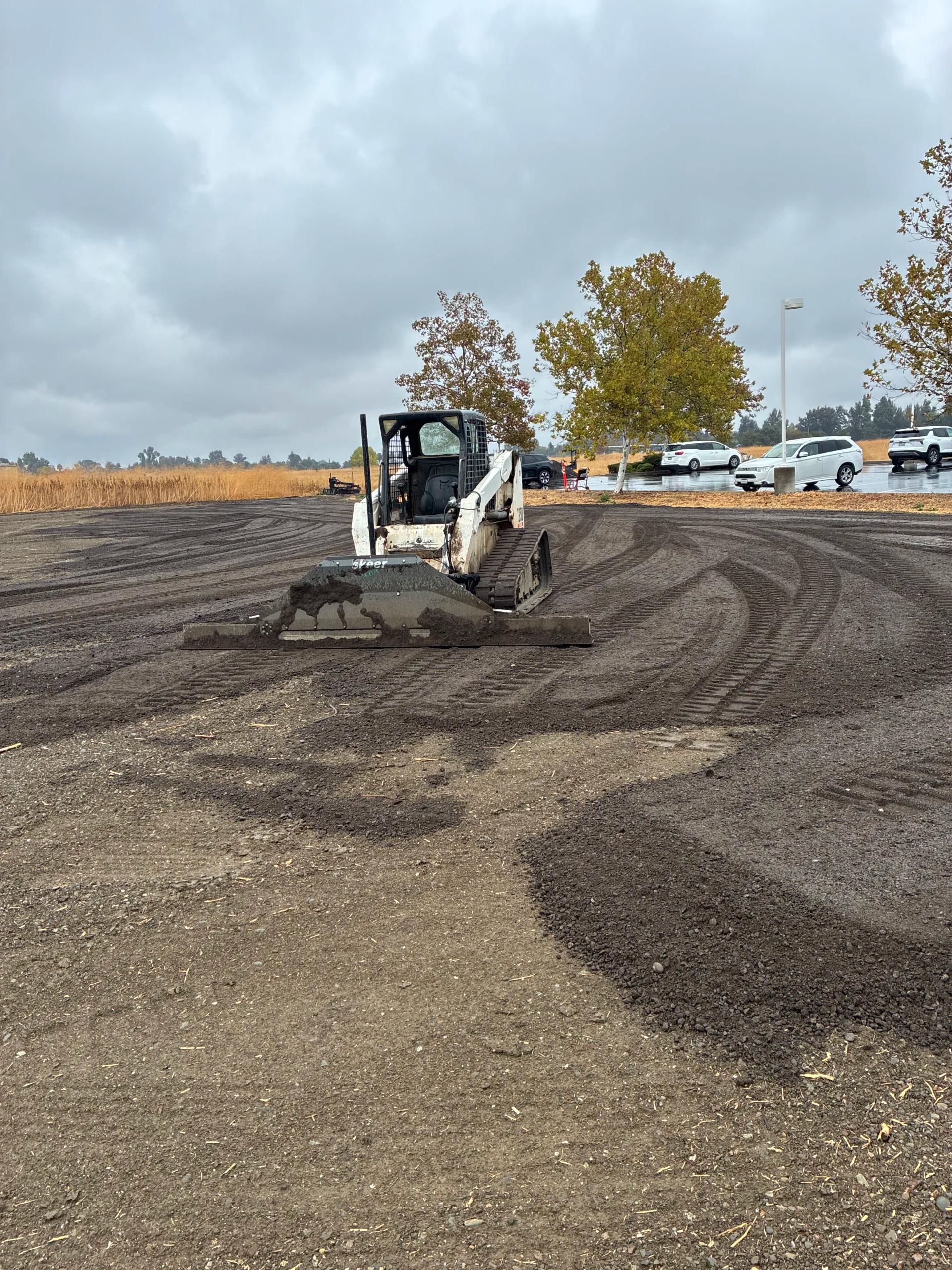
Site prep and grading are where this kind of job is won or lost. Before any material goes down, the ground has to be properly shaped so water moves the way it's supposed to. Poor drainage is the number one reason parking surfaces fail early, and we don't cut corners on that step. A Bobcat track loader is working the material across the full area, grading it out smooth and setting the right pitch so drainage does its job.
This is what proper site preparation looks like from the ground up. It's not glamorous work, but it's the difference between a surface that holds up for years and one that turns into a muddy mess after the first good rain. When you build it right, the finished product practically takes care of itself.